Zen of Palm - 设计实践
Design Practices
Riddle2
How do you fit a mountain in a teacup?
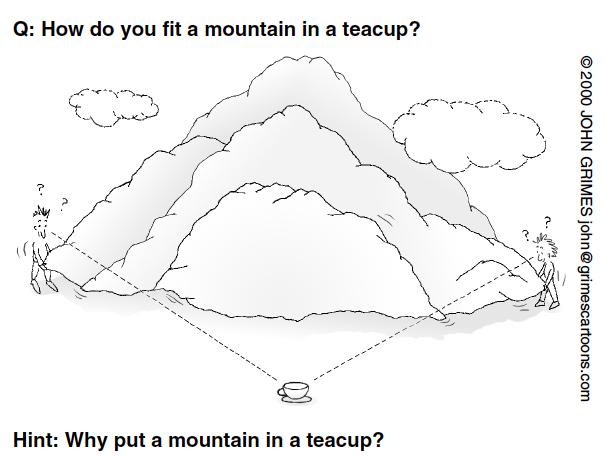
Less is more thinking means taking a step back to ask what matters.
A Balance of Features
- Pocket size
- Fast response
- Easy to use
- Low cost and high value
- Worry-free battery life
- Seamless connection with PCs
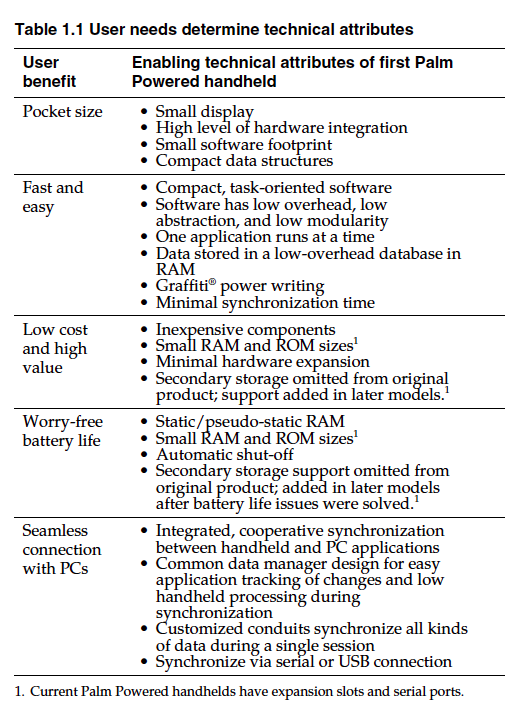
Focus on benefits to users PC通常用其可怕地专业技术术语让人认为,其能为自己带来优秀的用户体验,然而事实却是相反的, Palm OS则专注于为客户带来优秀的体验,而并非只着重于技术。 一切从客户的利益出发,将带来优秀的产品。
市场上的成功不在于技术,而在于他们呢实用技术给用户带来的收益:
表1.1:用户需求决定了技术应用
Nirvana:The Sweet Spot
Balance features with the user experience
你的产品功能的数量同用户体验有一个甜蜜点。太少的功能用户会不喜欢,太多的功能会让用户迷茫,因此产品功能同用户提醒呈现了一个抛物线的图示:
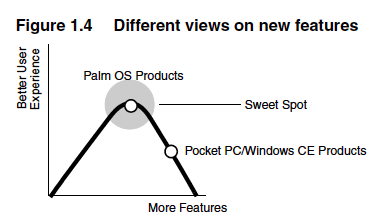
甜蜜点是功能和用户体验的一种平衡状态。
Added features must improve the user experience
Balancing available technology and utility. When faced with the possibility of a new feature, ask two questions:
- What do we gain in user satisfaction?
- What does it cost in teams of user confusion and hardware resources?
Pragmatic Innovation
Focusing on what matters and provide a practical solutions
- Identify the problems:
- Find the simplest solution to each problem
- Get rid of everything else
Innovate to make technology really useful Do not use technology for technology’s sake. Instead try to innovating.
Determining the Need
To refine the questions.
Find the real problems behind what customers ask for
Don’d be afraid to respond to an answer with more questions
Ignore conventional wisdom
figure out what tasks your customers are trying to do. When you ignore convention, you must stand for your ground. Stay your course.
要解决问题就需要忽视传统的方式。在了解了客户真正的需求后,解决问题就需要忽视传统的方式,需要有突破,不要因为自己的解决方式比较创新同惯例不同而动摇。
The 80/20 Rule
Focus on what users do 80 percent of the time and try to ignore the other 20 percent.
Accommodate what most people need to do, but don’t add complexity just to address fringe cases.
Focus on what users do 80 percent of the time Ask yourself what it is that people want to do with your application and how often.
Scaling the problem
Start with nothing, and add only essentials- one by one .
Decompose a large PC application into multiple handheld applications.
Sharing the work
Let a companion PC application do the heavy work Think of a handheld as a device for accessing and managing content, and think of a PC as a device for data-processing and creation of large amounts of content.
Solutions-not Features
To figure out how your application can accomplish precisely what the user needs to do. Look for solutions that are fast and easy to use. Try to delight the user.
Minimize clutter look for ways to organize your screen layouts so that they aren’t overloaded with objects. With fewer objects on the screen, users can more easily focus on the remaining objects.
Reduce the step count for common tasks
Conceal risky functions eg: Delete button. this is an intentional safeguard against accidental deletions.
Don’t make a function too easily accessible if it can destroy data or is dangerous in some other way.
Include power features discreetly novice users vs. power users .
解决方案,而非功能
在决定你的产品需要决定的问题时候,不需要讲产品所有的功能写下来,一项项去击破,重要的是要了解用户期望用你的APP完成什么功能。我们需要找到更迅速更容易的方式去解决问题。 减少交互上冗余的按键,只保留最简单最重要的。对于用户常用的功能,打开此功能的步骤越短越好。
有一些功能比如删除键,需要隐藏,以免误删,造成不必要的麻烦。对于一些较为复杂的高级功能,在引入时就需要格外小心了, 需要在不增加新用户学习成本的麻烦之上,让深度用户自己去体验去学习。
Intuitive
Making it easy for people to discover its features and figure out how to utilize them . to make the application feel intuitive.
A consistent user interface is a familiar user interface.
Stick to the user interface guidelines
好的产品要减轻用户的学习成本,能让用户迅速上手,一旦有出现任何让用户需要停下来思考的地方,这都会降低用户体验。忠于交互守则,运用用户熟悉的界面,按键,有利于让用户迅速上手。
Easy to Remember
A user who can’t remember the procedure for accomplishing a particular task must repeatedly rediscover how to accomplish the same task.
减少学习成本很重要,更重要的是要减少二次学习,很多用户第一次学会了如何是用你的app,但是时隔一段时间再打开app的时候就用不来了,这就需要再次学习。通常来说第一次使用就让人感觉顺畅的app,第二次使用也能让人立刻上手。
设计UI 其实有时候更像是写诗,就算是一个标点符号都要谨慎考虑,要懂得舍弃与保留。
##Solution to Riddle 2
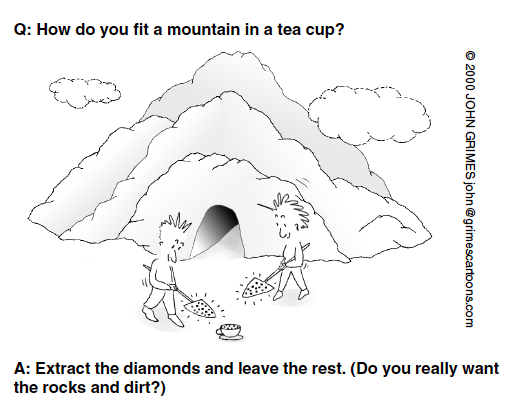
- identify the problems,
- find the simplest solution to each problem
- get rid of everything else.
参考文章
